
Stories That Leave a Lasting Impression: Creating Memories Through Books
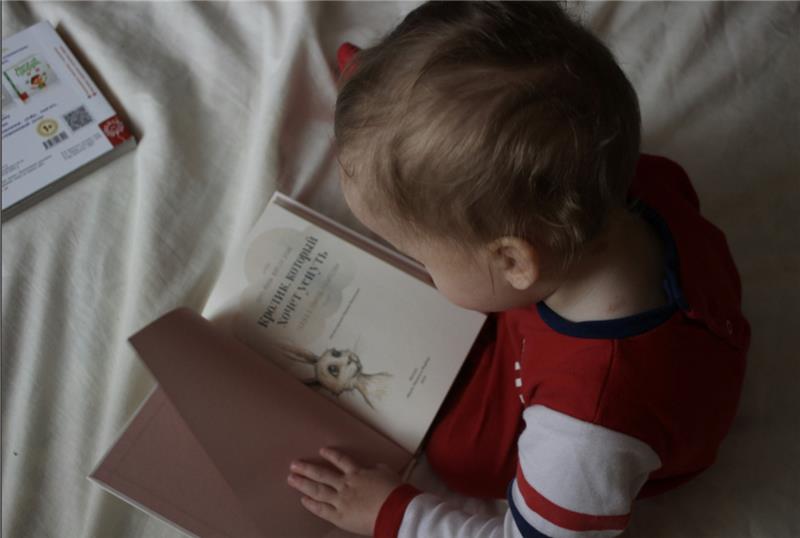
Imagine this, your little one is curled up in bed. They look at you with the wide-awake eyes to try and delay bedtime a little longer.
One more question they might ask. Or suddenly, the most important thing of their day, that they have suddenly remembered.
You reach for a book that both of you have read before – a familiar bedtime story. And with that, the world softens, your child snuggles a little more into the covers, waiting for their bedtime story.
Stories have always been a part of our culture, treasures passed from one generation to the next. We are sure you remember sitting and listening to a grandparent's story when we were young, and now they are listening to your parents', their grandparents' stories with rapt attention.
For children, stories do more than entertain. They shape identity. They anchor emotion. They become part of who a child is becoming. They carry laughter, comfort, courage, and hope.
We believe every child deserves stories that sparkle with meaning. Stories where they are not just watching the adventure, but living it.
Let’s explore why some stories stay with us long after the final page is turned.
The Emotional Power of Storytelling
We don’t remember stories for their facts. We remember how that story made us feel. Where we were, when we were reading the story?
The giggles during a silly moment. The hush before a brave decision. The relief when everything turns out all right. The dinosaur roar a parent makes while telling the story.
Emotion is the magic ingredient that transforms a story into a memory.
Laughter, joy, hope, fear, and even grief experienced while reading can become indelibly linked to the narrative.
When a child reads about Victoria bravely facing her “immunity army,” or feels the frustration and eventual understanding in When Baby Cries, they are not simply absorbing information. They are rehearsing emotions safely. They are practising empathy.
They are learning that big feelings can be understood and managed. Emotion is what makes a story linger. And the stories that linger quietly shape how children see the world and themselves.
How Stories Become Memory Markers From Childhood On
Think back on the books you read as a child.
Chances are, you do not just remember the plot. You remember where you were. Who was beside you. The feeling of being safe. The sound of a familiar voice reading aloud. Stories become woven into routines — bedtime rituals, weekend cuddles, school transitions, rainy afternoons.
Stories first encountered in childhood often become emotional reference points that accompany us into later life. Children associate stories with specific routines and relationships, bedtime rituals, school transitions, or moments shared with caregivers.
Personalised storybooks strengthen this connection by placing the child directly into the storyline.
By placing the child into the story, they see themselves in the pages – whether it is looking for photos for a scrapbook or spending an afternoon in the park with a parent – we immerse the child into the story – as the main character taking that journey! They are no longer reading about another child. They are reading about themselves!
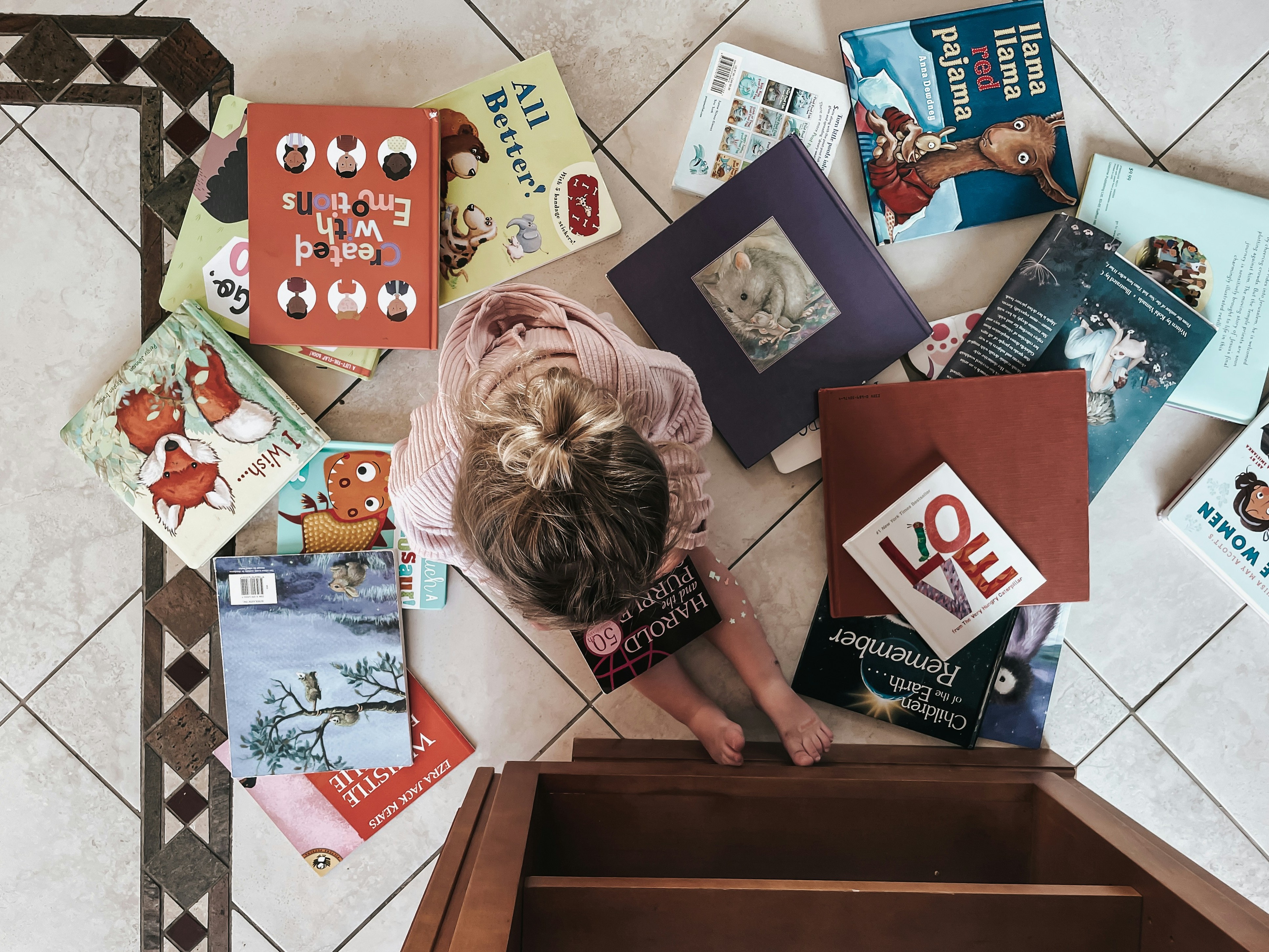
Why Personalised Stories Leave Deeper Impressions
Personalisation is not just a novelty. It is connection.
When a child reads, “Dear , this book has been created especially for you,” it signals something powerful:
· This story belongs to you.
· You are the hero.
· Your feelings matter.
That sense of belonging strengthens emotional memory. Children remember stories more vividly when they feel personally involved. They internalise lessons more deeply when they experience them as participants rather than observers.
When Ben learns responsibility by caring for Camo, or Alex is curious about the teeming life in the park, the child is not standing on the sidelines.
They are right there.
Personalised storytelling transforms reading into an immersive adventure — one where imagination and identity grow side by side.
Stories That Shape Perspectives and Values
Books are also powerful teachers.
Through stories, children encounter different experiences, emotions, and perspectives. They learn that change does not always mean something bad. That kindness matters. That courage is sometimes quiet. That gratitude can grow from understanding.
· In Nora, Max and the Forest Friends, working together to help a friend is a learning experience of each other’s strengths.
· In A Book of Love for Mum, gratitude blossoms through memory.
· In When Baby Cries, empathy replaces frustration.
Values are not preached. They are lived through story. And because the child is the hero, those values feel personal.
They become part of the child’s treasure chest of understanding.
How We Create Lasting Memories Through Stories at StoryVerse Land
At StoryVerse Land, we design each story as a journey that is rooted in everyday experiences children recognise or can imagine.
We weave in character traits — curiosity, empathy, confidence, responsibility, gratitude — not as grand speeches, but as lived adventures.
Personalisation brings sparkle to the pages, allowing children to see themselves navigating challenges and celebrating joyful wins.
Our hope is simple and heartwarming: That long after the book is tucked away on a shelf, the child carries the feeling with them.
The joy of being seen.
A Story is a Treasure
Books have an enduring power: they are emotional imprints, not fleeting experiences. They are memory makers. We don’t just read stories, we carry them.
When you choose a personalised story for a child, you are not simply gifting pages and ink. You are offering a magical adventure where they feel valued, brave, and uniquely themselves.
The stories we grow up with quietly influence our values, our memories, and our identities. With personalised, emotionally rich books, families can give children not just a story, but a memory that lasts forever.
As when they find that book again, and open it, memories will be re-ignited.
That is the true treasure of storytelling.