
When The Story Lives On Through Play
A storybook has to close at some point, and the child will fall asleep. But sometimes, the story doesn’t end when we close the book.
Children create stories in their playrooms and heads. When they line up their favourite soft toy to act out a scene from a book or show, they are reliving a memory or idea. It has taken root in their subconscious, and they are exploring that feeling again.
If a book has been personalised for them, making them the centre of the story, they internalise it even more. They will want to experience it again, through imagination and worlds they build in their own way. When children recognise themselves in a tale, it doesn’t stay on the page. It travels with them, and we can help them turn everyday moments into adventures filled with imagination.
When Children Step Into the Story Through Play
Many parents notice this without realising what’s happening.
A child reenacts a scene using their soft toys. They pretend to be brave, curious, or kind in ways that feel familiar. They are not copying the story exactly. They are exploring how it made them feel.
This kind of play is not about performance or pretending to be someone else. It is a way for children to process ideas, emotions, and moments that mattered to them. When the story feels personal, play becomes more intentional, more immersive, and quietly more meaningful.
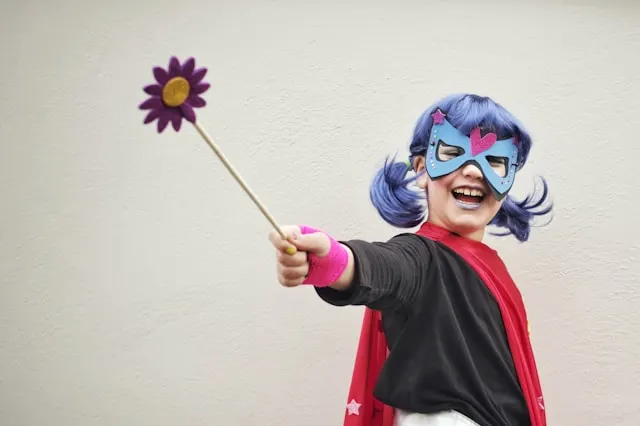
Dressing up as a hero, explorer, or magical character is often the next step. Sometimes all it takes is a scarf, a hat, or a familiar prop for children to step back into the story world.
When the character is one they recognise as themselves, role-play becomes more than a game. It becomes a safe space to practise confidence, self-expression, and resilience — all through imagination.
Creating Cosy Story Worlds at Home
Stories often linger in spaces where children feel most at ease and safe. Whether it is a quiet corner of the house, a cosy soft blanket or just their little own space, a familiar space or reading corner at home can turn their own adventure world.
When a space feels connected to the child, they naturally slow down and settle. They return to characters and moments that made them feel safe, curious, or proud. A cushion becomes a mountain. A bedside nook becomes a place where adventures quietly begin again.
Inviting children to help shape their cosy space makes it even more meaningful. Their drawing taped to the wall, a favourite soft toy nearby, or a book kept within reach gives them a sense of ownership. It becomes more than a reading corner — it becomes their place.
Personalised stories often slip easily into these spaces. Reading time becomes something they return to, not because they are told to, but because it feels like home.
Bringing Stories to Life Through Little Hands
For many children, storytelling continues through making. Drawing a character, colouring a favourite scene, or turning a simple sketch into a puppet helps stories feel tangible and close.
These moments don’t need to be elaborate. Tracing a character together, cutting out shapes, or crafting something inspired by the story is often enough to spark long stretches of imaginative play. Children are not just recreating what they saw — they are deciding what mattered to them.
Crafting offers a gentle way for children to process stories at their own pace. It allows them to revisit emotions, explore ideas, and express themselves without needing the right words. Often, the story reveals itself quietly, through colour choices, small details, or the way they retell a scene.
When the story features them as the hero, these creations take on deeper meaning. They are not simply making art. They are shaping their own place within the story, one small decision at a time.
Turning Stories into Playful Adventures
With a little imagination, they find their way into everyday moments — down hallways, across living room floors, and into playtime routines.
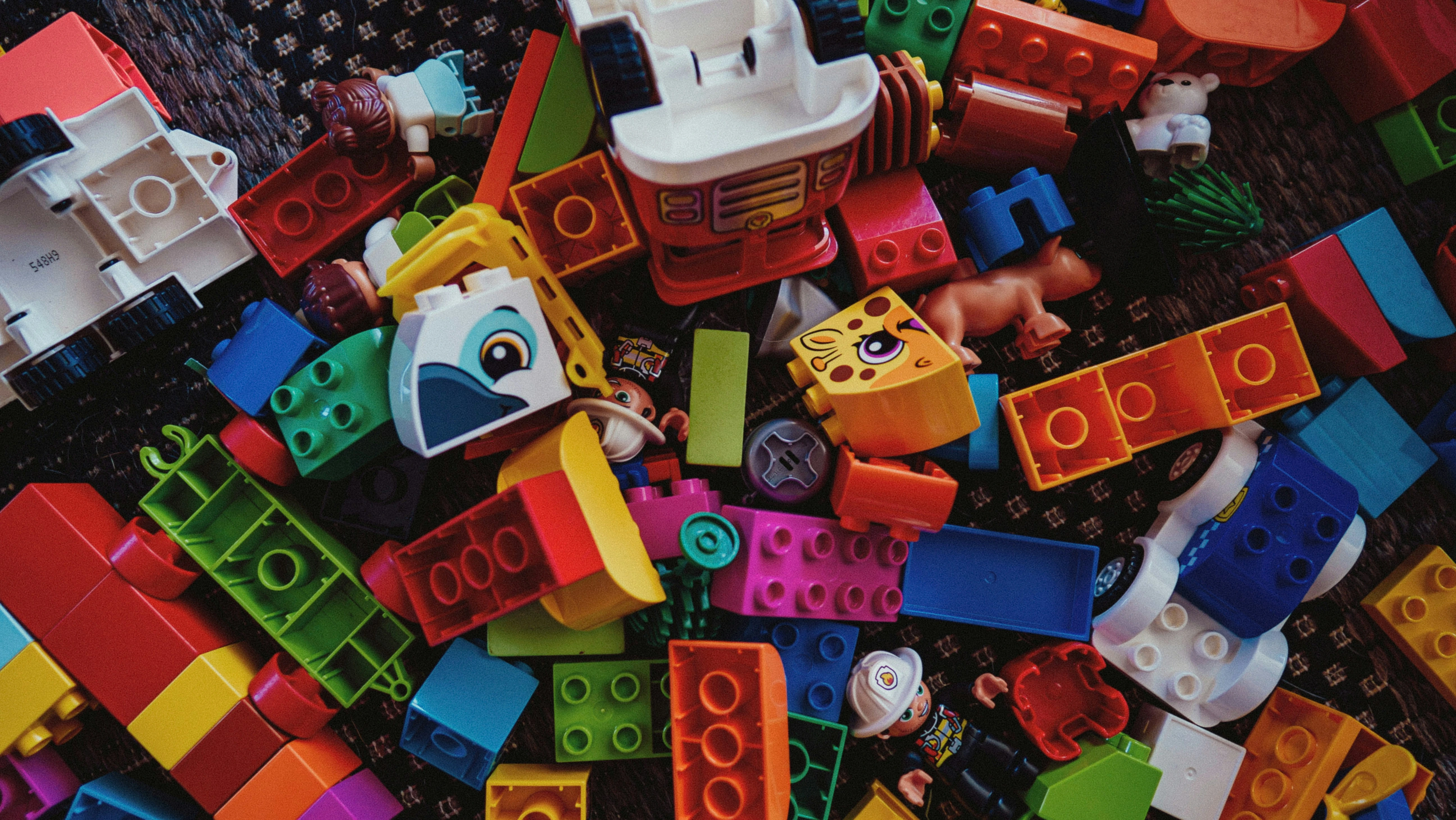
A pretend journey, a simple treasure hunt, or acting out a familiar scene allows children to relive a story in ways that feel physical and real. Movement gives stories a new shape, helping children connect what they read with how they experience the world around them.
When children see themselves as the hero in both the book and their play, confidence begins to grow quietly. They are no longer just following a storyline — they are leading it. The story becomes something they carry, not something they visit briefly.
These playful extensions don’t require planning or structure. They unfold naturally, often in moments you least expect. A question asked. A game invented. A story continued.
Imagining What Comes Next
When a story ends, a gentle question can open a new door. Asking children to retell the story in their own words, or to imagine what might happen next, invites them to step fully into the role of storyteller.
These moments don’t need to feel like exercises. A sketch, a puppet, or a simple conversation is often enough to encourage children to explore their ideas. Questions like “What would you do?” or “What happens after this?” give them space to think, wonder, and express themselves freely.
When children are centred in the story, imagining what comes next feels natural. They are not searching for the right answer — they are discovering their own voice. The story doesn’t end. It grows, alongside their confidence and creativity.
Where Stories Become Cherished Memories
Stories have a knack for following naturally into play. The imagination takes over after the last page, and children can go wild with ideas. Children don’t just enjoy the moment of the story, they develop confidence, empathy and love for words and readings.
We can help encourage that imagination through role-play, crafts and imaginative games – to help the stories become part of everyday life.
With our personalised stories, the magic continues even after the book closes. It carries over into playtime and bedtime conversations with your little one.
These are the moments that create core memories – the ones that you will remember, and will grow with you into treasured memories.